ADU Construction Explained: A Step-by-Step Guide for Homeowners

For California homeowners looking to maximize property value and living space, ADU Construction has become a popular solution. Whether you’re interested in rental income, a home office, or private space for family, an Accessory Dwelling Unit (ADU) offers flexibility and long-term financial benefits. But many homeowners hesitate because the construction process seems complex. This step-by-step guide breaks it down so you can move forward with confidence.

Step 1: Understand Local Regulations

Before hiring contractors or sketching designs, check your city or county guidelines. California has streamlined ADU approval, but zoning restrictions, height limits, and parking requirements still vary. Knowing what’s allowed in your area prevents costly redesigns and delays later.

Step 2: Define Your Purpose

Is your ADU meant for rental income, multigenerational living, or as a home office? Your intended use will shape design choices, size, and layout. A rental unit may require a full kitchen and separate entrance, while a family suite could prioritize open spaces and accessibility.

Step 3: Set a Realistic Budget

Budgeting upfront helps avoid financial surprises. Consider design fees, permits, labor, and finishes. Many homeowners search for cheap adu options to save money. While affordability matters, balance is key — choose cost-effective solutions without sacrificing durability. A budget-conscious ADU should deliver long-term value.

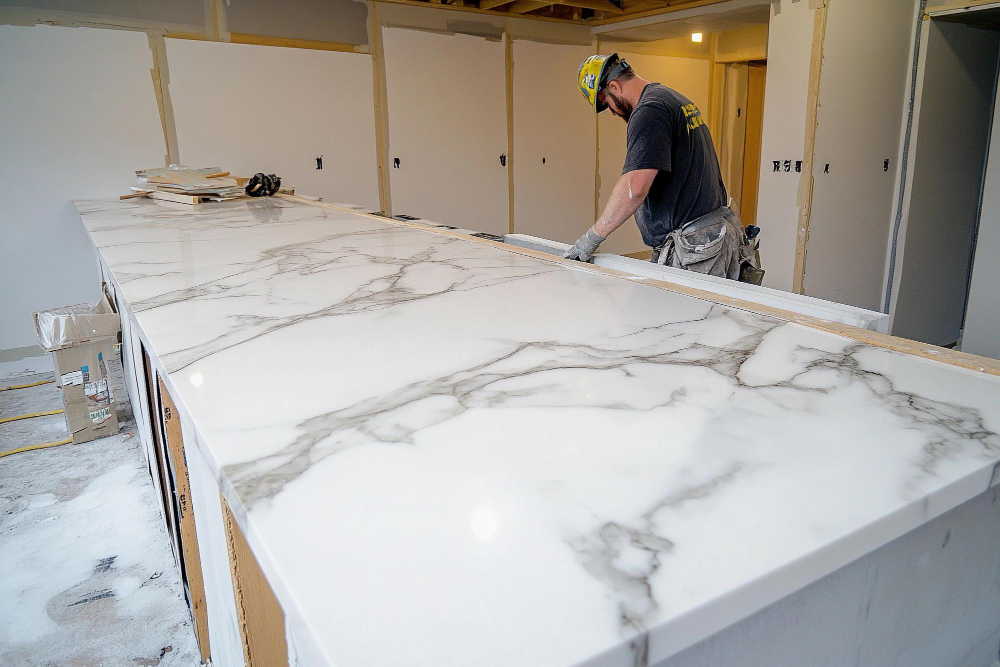
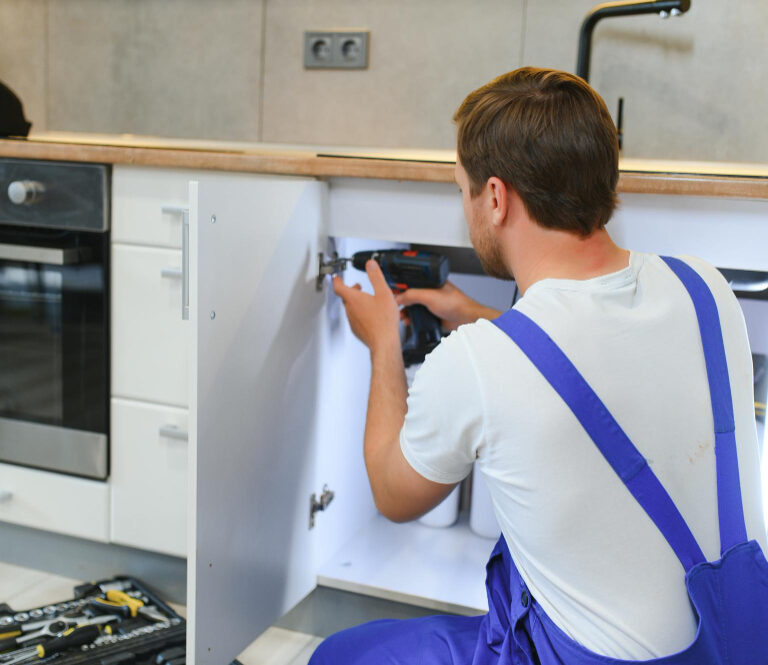
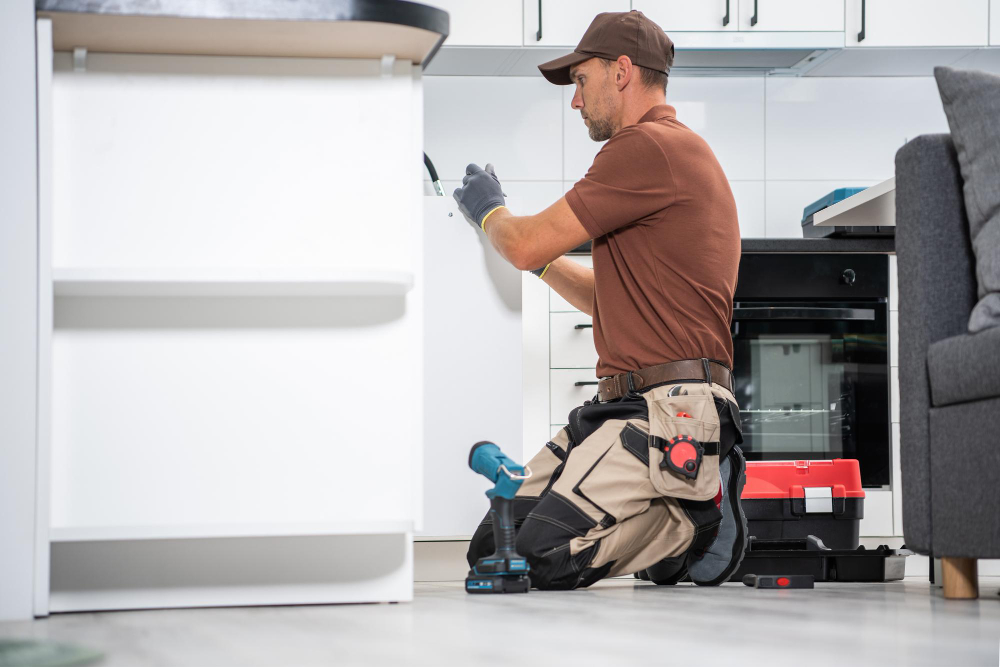
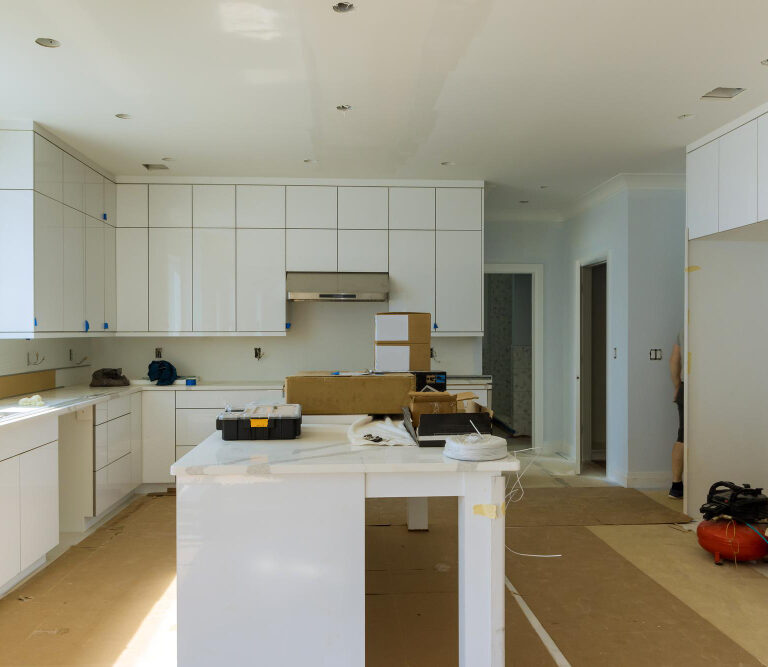
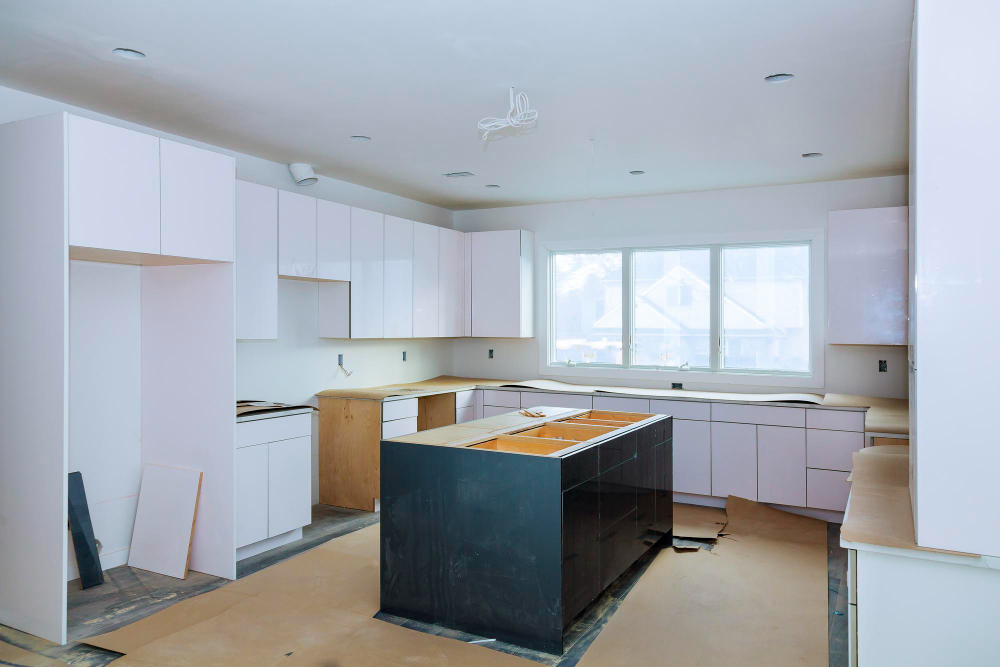
ADU Construction

Step 4: Choose a Design and Layout

Keep your layout simple to control costs. A one-bedroom or studio ADU can serve most needs without excessive square footage. Straightforward shapes, such as rectangles, are easier and less expensive to build. Efficient floor plans make compact units feel open and functional.

Step 5: Select Materials Wisely

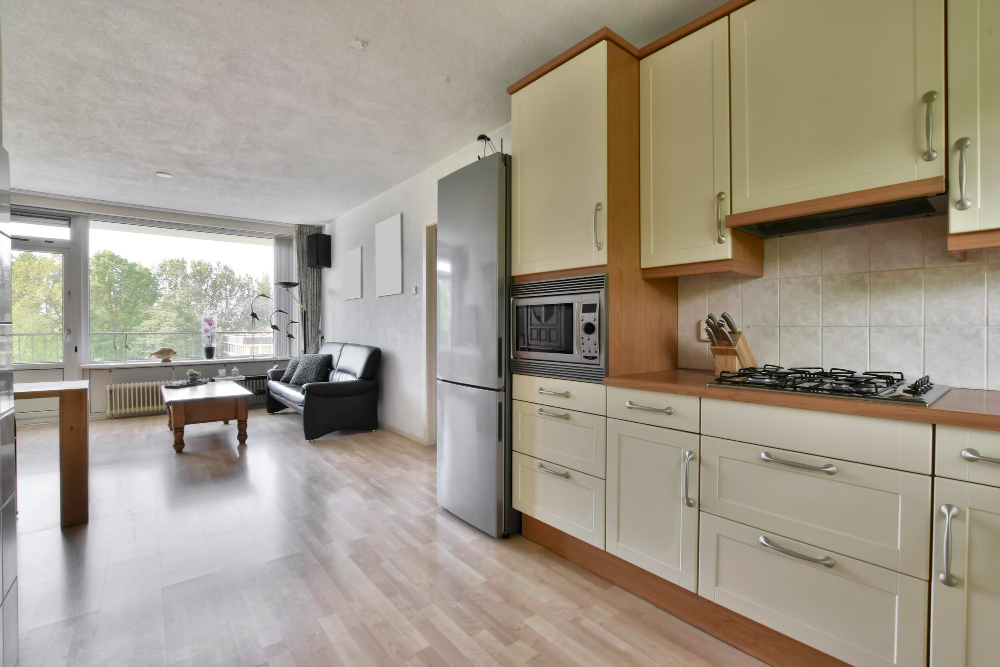
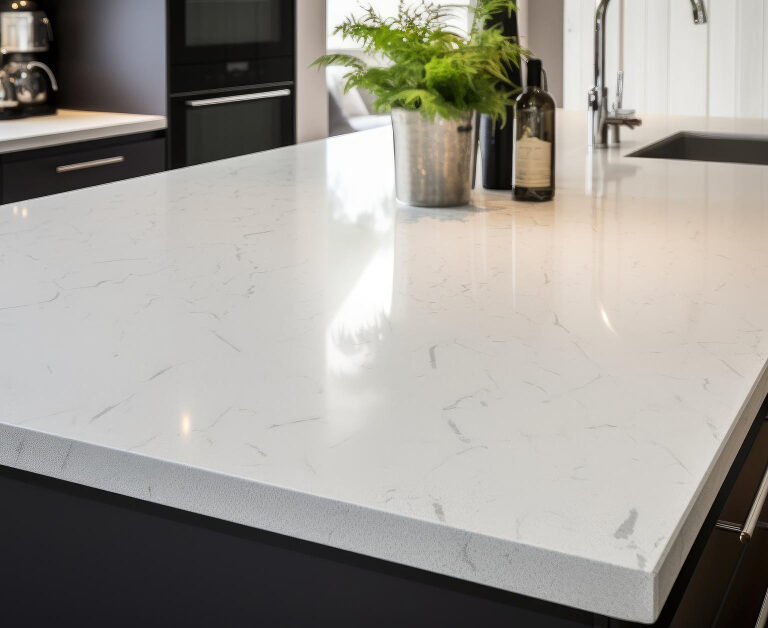
Affordable doesn’t mean cutting corners. Vinyl plank flooring, quartz-look laminate countertops, and stock cabinetry can provide style at a fraction of the cost of premium materials. Durable, low-maintenance finishes reduce long-term expenses while keeping the look modern.

Step 6: Hire the Right Contractor

An experienced ADU contractor ensures compliance with regulations, manages subcontractors, and helps avoid mistakes that drive up costs. Always review references, licenses, and previous ADU projects before signing an agreement. The right builder can save you money and stress.

Step 7: Manage the Construction Process

Stay engaged throughout construction. Regular site visits and clear communication with your contractor will help prevent delays, ensure quality, and keep the project within budget. Document changes and track expenses carefully to avoid scope creep.

Step 8: Plan for Utilities and Systems

Don’t overlook infrastructure. Water, sewer, and electrical connections must meet code. Discuss whether your ADU will connect to existing systems or require separate lines. Efficient HVAC systems and insulation can also reduce long-term energy costs.

Step 9: Add Final Touches

Once construction is complete, it’s time for finishing details. Landscaping, paint, and storage solutions enhance livability. Even small design choices, like light fixtures or built-in shelving, can make an ADU feel more inviting and functional.

Step 10: Enjoy the Benefits

With careful planning and execution, your new ADU can provide rental income, accommodate family, or create a versatile space that adapts as your needs change. Over time, well-built ADUs pay for themselves while increasing overall property value.

Final Thoughts

ADU Construction may seem intimidating, but with the right steps and careful decisions, it becomes a manageable process. From setting a budget to selecting materials and working with trusted professionals, you can create a cost-effective unit that provides both immediate and long-term rewards.

If you’re ready to add value and versatility to your property, now is the perfect time to explore your ADU options.

Costco Jacuzzi Bath Remodel Cost vs. Custom Remodel: A Design Comparison

When planning a bathroom remodel, one of the most frequent questions homeowners face is simple but significant: “Should I go with a packaged solution or a fully custom design?” With many turning to big-box retailers for convenience and value, Costco’s Jacuzzi bath remodel program has become a popular consideration. But how does the Costco Jacuzzi bath remodel cost compare to a traditional custom remodel — and what are you really getting for your money?

Below is a formal, side-by-side design and value comparison to help guide your decision, ensuring you invest wisely in one of your home’s most personal and functional spaces.


🧾 1. Cost Overview: What You Can Expect to Pay

Costco Jacuzzi Bath Remodel Cost
The program typically offers all-inclusive bath remodel packages starting around $9,000–$15,000, depending on the scope and materials selected. This includes demolition, basic plumbing updates, installation of Jacuzzi fixtures (such as soaking tubs or walk-in showers), and finishes like wall panels and doors. Because it’s a bundled service, pricing is generally predictable and up-front.

Custom Remodel Cost
A fully custom remodel can vary widely in cost, typically ranging between $18,000–$40,000 or more in the Sacramento region, depending on materials, layout changes, and contractor rates. Design fees, specialty labor, structural changes, and premium finishes will all add to the final total.

Cost Advantage: Costco offers a more budget-controlled entry point, ideal for homeowners looking for function and speed over full customization.


🎨 2. Design Flexibility and Personalization

Costco Remodel
The Jacuzzi program through Costco offers a curated menu of design options. This ensures a streamlined process and faster turnaround, but it also means limited choice when it comes to tile, layout, cabinetry, and unique fixtures. Finishes are high-quality, but standardized.

Custom Remodel
Going custom means every detail — from the tile color to the size of your vanity to the placement of your lighting — can be tailored to your taste and space. You’re working with designers, not just installers, and that results in a bathroom that reflects your personal aesthetic and functional needs.

Design Winner: Custom Remodel — best for those seeking a truly individualized space.

costco jacuzzi bath remodel cost

🛁 3. Product Quality and Material Options

Costco Program
The remodels feature Jacuzzi® brand products, known for quality in bathtubs, walk-in tubs, and accessible shower systems. Materials are durable, easy to clean, and designed for performance — but the selection is largely focused on acrylic and composite materials.

Custom Remodel
A custom route opens the door to natural stone, porcelain, designer tile, floating vanities, underfloor heating, and architectural lighting — all of which elevate the experience and overall property value. However, quality varies greatly depending on who you hire and where materials are sourced.

Material Range: Custom Remodel offers broader (and often higher-end) product options.


⏳ 4. Timeline and Installation Speed

Costco Remodel
Because the program uses a pre-selected range of materials and certified installers, projects typically move faster. Some installations can be completed in as little as one week, especially for straightforward tub-to-shower conversions.

Custom Remodel
Custom projects may require 4–8 weeks or more, depending on availability of materials, contractor timelines, inspections, and design iterations. The planning phase alone may take several weeks.

Speed Advantage: Costco Remodel is ideal for time-sensitive projects or secondary bathrooms.


🧠 5. Warranty and Support

Costco Remodel
The program includes limited product warranties and installation guarantees, with Costco backing the service via its vendor partnership. This can give homeowners peace of mind, especially for basic remodels.

Custom Remodel
Warranties vary by contractor and product. While many pros offer 1-year labor warranties and longer manufacturer coverage, you’re responsible for vetting and coordinating multiple parties.

Warranty Reliability: Costco Remodel offers consistent post-installation support under one roof.


🏠 6. Impact on Home Value

Costco Remodel
Efficient upgrades, especially in guest bathrooms or aging-in-place scenarios, can enhance daily living and boost resale appeal — particularly when done cleanly and with reputable brands.

Custom Remodel
For primary bathrooms or luxury listings, a custom design can significantly increase perceived value and attract higher offers. Buyers often pay more for distinct, high-quality finishes and layout upgrades.

Resale Value Winner: Custom Remodel, particularly when aligned with the home’s overall style and market expectations.


🧾 Final Thoughts: Which Remodel Is Right for You?

Choosing between a Costco Jacuzzi bath remodel and a custom remodel ultimately comes down to priorities.

  • Choose Costco if you want a fast, functional, and cost-efficient upgrade with reliable results and minimal decision-making.

  • Choose a custom remodel if you’re designing your forever bathroom, want total creative control, or are upgrading for long-term value and luxury.

Both paths offer smart solutions — and neither is wrong. The key is aligning your remodel with your budget, timeline, and lifestyle needs.

Two Sacramento Bath Remodels, Two Very Different Results—Which One Got It Right?

In a quiet cul-de-sac, two couples on the same street began a similar journey: a complete bath remodel Sacramento. They had similar budgets, square footage, and even started their projects within weeks of each other.

But where their stories ended? Night and day.

As designer Nate Berkus often says, “Your home should tell the story of who you are, and be a collection of what you love.” Both remodels had potential. Only one told the right story.


🏠 The Two Homes

House A:
Sophia and Marcus, mid-30s, newlyweds. They wanted elegance on a modest budget. Their 1985 master bath felt more like a closet than a retreat.

House B:
Karen and Glenn, empty nesters. Their 1990s bathroom had builder-grade everything, and they were ready for their forever upgrade.

Both had $40,000 to work with.


🛠️ Design Philosophy: Trends vs. Timeless

Sophia & Marcus (House A)
Chose matte black everything, trending geometric tile, and a floating vanity. It looked incredible—on Instagram. But six months in, the grout was hard to clean, the black fixtures showed every water spot, and the style already felt less fresh.

Karen & Glenn (House B)
Opted for Carrara-look porcelain, antique brass hardware, and an arched mirror. The space felt warm, curated, and connected to the rest of their transitional-style home.

🗝️ Lesson from Nate: Style should complement your home’s narrative, not just echo a trend.

Two Sacramento Bath Remodels, Two Very Different Results—Which One Got It Right?

💡 Functionality: Looks vs. Livability

House A
The open shower concept looked high-end but caused water to splash onto the vanity and required frequent floor mopping. The LED-lit mirror they loved online had no dimmer—bright at 2 a.m. was… not ideal.

House B
They focused on function first:

  • Built-in linen cabinet

  • Lighting on dimmer switches

  • A curbless shower with a glass door for warmth and containment

Every element supported how they actually lived, not just how they wanted the space to feel.


🧱 Materials: Showpieces vs. Substance

Sophia & Marcus splurged on a single slab of exotic quartzite for the vanity but cut corners on plumbing and waterproofing.

Karen & Glenn skipped the wow-factor stone but upgraded:

  • Subfloor for heated tile

  • Quiet, efficient ventilation

  • High-quality fixtures with lifetime warranties

The difference? Long-term performance. One space needed repairs in under a year. The other? Aging gracefully.


📊 Outcome: Aesthetics, Function, and Value

CategoryHouse AHouse B
Initial ImpactHigh design, trend-forwardUnderstated but refined
FunctionalitySeveral daily frustrationsSeamless, comfortable experience
Resale ValueAppraiser flagged plumbing shortcutsAppraised +$18,000 post-remodel
Emotional Feel“Cool, but we’d do it differently now”“This space finally feels like ours”

✅ Final Thought

A bath remodel in Sacramento isn’t just a before-and-after moment. It’s a decision that shapes how you begin and end your day—every day.

Both remodels had beauty. But only one had balance: of personal taste, practical design, and emotional connection.

Nate Berkus reminds us: “Your space should reflect your journey, not someone else’s highlight reel.” Whether you’re designing with bold confidence or quiet intention, make choices that feel like home—not just for now, but for the years to come.


🧰 CALL TO ACTION

Planning your own bath remodel in Sacramento?
Let our design-build team help you create something personal, purposeful, and built to last—because the best space is the one that tells your story.

DreamLine Lioher Cabinets: A Data-Driven Look at Modern Beauty and Practical Design

In today’s world of interior design, functionality is just as important as beauty. And when it comes to combining clean lines, innovative storage solutions, and design-forward finishes, DreamLine Lioher cabinets are setting a new standard. Blending Spanish-crafted quality with modern minimalism, they represent a movement toward smarter, sleeker living.

This guide explores the performance, design value, and inspiration behind Lioher cabinetry—using both data and a bit of emotion to show why they might be the next best thing for your kitchen or bathroom renovation.


The Design Aesthetic: Sleek. Seamless. Sophisticated.

DreamLine Lioher cabinets are known for:

  • Flat-panel fronts with integrated handles

  • Super matte finishes that resist fingerprints

  • Light-reflecting gloss laminates that elevate smaller spaces

With a wide palette of neutral and bold options, they effortlessly support both warm organic spaces and minimalist European-inspired interiors.

Genevieve Gorder Inspiration: Lioher gives you the canvas—you paint the mood. Use wood grains for grounded elegance or soft matte greys for a futuristic calm.

Top 5 Kitchen Remodeling Trends for a Modern Look

Performance Backed by Technology

Here’s where Lioher stands out in hard numbers:

  • Scratch Resistance: Rated 4.5/5 for surface durability (based on 2023 IFA surface impact testing)

  • Moisture Resistance: Surfaces show <5% swelling after 24-hour exposure (ideal for kitchens & bathrooms)

  • UV Stability: Rated to maintain color in both high-sun and artificial light conditions for 10+ years

Translation? These cabinets are not just beautiful—they’re built for real life.


Sustainable Manufacturing Process

Lioher’s commitment to eco-friendly materials includes:

  • CARB2-compliant panels (low formaldehyde emissions)

  • 100% recyclable components

  • Water-based finishes where applicable

Why It Matters: For homeowners prioritizing both design and responsibility, DreamLine Lioher offers style without compromise.


Versatile Applications

While Lioher is often seen in kitchens, it performs just as well in:

  • Bathroom vanities

  • Laundry rooms

  • Home offices

  • Closets and mudrooms

Design Tip: Use matte white Lioher in high-traffic utility spaces for a clean, contemporary look that hides fingerprints and enhances light.


Cost and Value Considerations

While pricing can vary by installer and region, most homeowners find that:

  • Lioher cabinets offer 20-30% savings compared to full custom millwork

  • Lead times are shorter due to pre-fabricated panel systems

  • Long-term durability offsets higher upfront cost compared to low-end stock cabinets

ROI Insight: Kitchens with modern flat-panel cabinetry (like Lioher) see an average resale value increase of 6-10% in urban markets, according to the National Kitchen & Bath Association.


Final Thoughts

DreamLine Lioher cabinets are more than a design choice—they’re a declaration of modern living. With durability, sustainability, and undeniable beauty, they empower you to create spaces that reflect your lifestyle and your values.

Whether you’re renovating for resale or redefining your forever home, let these cabinets be the foundation of your story.

Call to Action

Curious if DreamLine Lioher is right for your project? Our design consultants can walk you through samples, performance data, and layout strategies that bring your vision to life.

Walk-In Shower Remodeling: A Step-by-Step Story of Smart Design and Big Impact

It started with a drip.

Nothing dramatic—just a slow, rhythmic reminder that Sophie and Mark’s bathroom hadn’t been touched since the early 2000s. But what began as a minor leak turned into a full-blown walk-in shower remodel that changed the way they experienced their mornings.

Here’s how they turned a dated, cramped shower stall into a sleek, spa-like retreat, and how you can too—step by step.


Step 1: Identify the Problem (and the Potential)

Sophie and Mark knew they needed a change when they could barely turn around in their fiberglass stall. Cracked tile, old grout, and poor lighting only added to the frustration.

Key Takeaway: Before choosing materials or finishes, define what’s not working. Lack of space? Poor lighting? Water leaks? Start with the real issues.


Step 2: Set a Realistic Budget

They set aside $18,000, with a contingency buffer for surprises (and yes, there were surprises).

Estimated Breakdown:

  • Demolition and prep: $2,000

  • Plumbing updates: $3,000

  • Tile and waterproofing: $5,000

  • Frameless glass enclosure: $3,500

  • Fixtures and finishes: $2,500

  • Labor and contingency: $2,000

Pro Tip: Always budget for the unexpected—a hidden leak behind drywall or outdated plumbing can sneak up on you.

Step 3: Design the Layout with Intention

Sophie wanted a bench. Mark wanted dual showerheads. They both wanted more elbow room.

Their solution:

  • A 60″ x 36″ open walk-in shower

  • Recessed shelving for shampoo and soaps

  • A floating bench with built-in support

  • Rainfall and handheld showerheads for versatility

David’s Design Rule: Make every square foot count. Smart storage and layout upgrades are just as important as style.


Step 4: Choose Materials That Combine Style and Function

They selected:

  • Large-format matte porcelain tiles for the walls

  • Pebble mosaic flooring for added texture and grip

  • Brushed nickel fixtures for timeless appeal

  • Frameless glass to keep the space open and airy

Why it worked: These materials offered durability, low maintenance, and visual impact—without overwhelming the space.


Step 5: Trust the Process

There were delays. A custom glass panel arrived cracked. A plumbing valve needed replacing. But Sophie and Mark stayed patient.

Lesson Learned: Remodeling isn’t perfect—but the end result is worth every minor delay and tough decision.


Final Thoughts

Sophie and Mark’s walk-in shower remodel wasn’t just a fix for a leak. It was a lifestyle upgrade. With thoughtful design, a clear plan, and a willingness to adapt, they created a space that feels like a spa and functions like a dream.

Call to Action

Planning a walk-in shower remodel? Our team is here to help guide you every step of the way—from design to installation, and every beautiful detail in between.

7 Kitchen Plumbing Essentials You Need to Know Right Now

When it comes to kitchen renovations or quick-fix emergencies, plumbing is one area you can’t afford to overlook. A dripping faucet or poorly routed drain can cause more than annoyance—it can derail your remodel or damage your cabinetry. This quick-read, Martha Stewart-inspired guide breaks down the most urgent things you need to know about kitchen plumbing, with elegance and efficiency in mind.


1. Know Where Your Shut-Off Valves Are

Before you touch anything plumbing-related, locate your sink’s hot and cold water shut-off valves. These will save you in an emergency—or when you’re installing that beautiful new faucet.

Pro Tip: Replace old shut-off valves while you’re upgrading fixtures. It’s a small change with big impact.


2. Plan Plumbing First in Any Remodel

Plumbing layout determines where your sink, dishwasher, and refrigerator can go. Want to move your sink to the island? That requires careful planning and rerouting.

Urgency Insight: Making changes after cabinets are installed can cost you extra and delay your entire timeline.

7 Kitchen Plumbing Essentials You Need to Know Right Now

3. Choose the Right Materials for Pipes

PEX, copper, or PVC? Each has its place.

  • PEX: Flexible and great for remodels.

  • Copper: Long-lasting and classic.

  • PVC: Often used for drain lines.

Martha’s Tip: Don’t mix pipe materials without proper fittings—it can cause corrosion or leaks.


4. Always Install an Air Gap (or High Loop) for Dishwashers

An air gap prevents dirty water from backing into your dishwasher.

Why It’s Urgent: It’s required by code in many places, and skipping it can lead to health hazards and inspection fails.


5. Don’t Forget Venting

A drain without proper venting will gurgle, drain slowly, and eventually smell. Every fixture needs a vent—period.

Smart Solution: If traditional venting isn’t an option, consider air admittance valves (AAVs).


6. Consider a Hot Water Recirculation System

Hate waiting for hot water? A recirculation pump can solve that.

Efficiency Boost: Reduces water waste and enhances convenience—especially in large or open-plan kitchens.


7. Hire a Licensed Plumber for Critical Installations

DIY is great for organizing a pantry. Not so much for moving gas lines or drain pipes.

Safety First: A licensed plumber ensures everything is to code—and avoids expensive rework down the line.


Final Thoughts

Whether you’re updating fixtures or planning a full kitchen renovation, understanding your plumbing essentials is critical. Addressing these seven points up front keeps your kitchen functional, beautiful, and safe.

Call to Action

Need expert plumbing advice or help planning your remodel? Contact our licensed professionals for fast, elegant solutions that keep your kitchen flowing smoothly.

From Cramped to Clever: How Smart Remodeling Changed a Sacramento Home One Cabinet at a Time

When I got the call from Derek and Nina in Sacramento, I knew right away what the real issue was—space. Or more accurately, how badly the space they had was being used.

“We don’t need a bigger house,” Nina said. “We just need the one we have to finally make sense.”

And she was right.

Their kitchen was small. Not unlivable, not falling apart—but tight, inefficient, and dated. Sound familiar?

If you’re considering Sacramento remodeling, this story might hit home. Here’s how we got their kitchen from cramped to clever—step by step, with a big assist from one overlooked solution: kitchenette cabinets.


🔧 Step 1: Diagnose the Real Pain Points

Too often, people jump straight to the fun stuff—backsplashes, colors, faucets—without asking: what’s driving me crazy every day?

For Derek and Nina, it was:

  • No prep space

  • Upper cabinets they couldn’t reach

  • One drawer that always jammed

  • A fridge door that blocked the main walkway

None of it was a disaster. But all of it added up.

Top 5 Kitchen Remodeling Trends for a Modern Look

🔧 Step 2: Rethink the Layout—Start Small

Instead of blowing out walls or chasing an open concept, we started with micro-efficiency.

They didn’t need a massive island.
They needed a mini work zone—a prep and coffee bar combo off to the side, tucked into an unused wall.

We carved out a 5-foot stretch and installed sleek kitchenette cabinets in a soft gray finish. Shallow drawers, vertical dividers, a slim pantry pull-out. Hidden outlets for appliances. Boom—instant functionality.

🔧 Step 3: Keep Materials Tight, Not Cheap

A lot of people think “small” means “basic.” Nope.

We still used high-quality finishes:

  • Soft-close hinges

  • Moisture-resistant interior panels

  • Under-cabinet lighting

  • Quartz countertop with waterfall edge for a luxe touch

This tiny addition became their most-used zone—and a major visual win.

🔧 Step 4: Update the Main Kitchen Around It

With the new kitchenette in place, we could breathe a little life into the main kitchen:

  • Shifted appliance placement for better flow

  • Replaced old uppers with deeper, lower-installed units

  • Matched the kitchenette cabinets for consistency across the space

No trendy gimmicks—just smart storage, modern lighting, and materials built to last.

🔧 Step 5: Finish with Function in Mind

Every element had a reason:

  • Toe-kick drawers = bonus storage

  • Lazy Susan corner = full access

  • Trash and recycling built into the new kitchenette = no more ugly bins

“It’s like we got a new kitchen and a butler’s pantry,” Derek said.
“And it’s still under 150 square feet.”

✅ Mike’s Takeaway: Small Doesn’t Mean Simple

This remodel didn’t make the house bigger—but it made it smarter.

That’s the lesson. You don’t need to knock down walls or start from scratch.
Sometimes, all you need is a few well-placed kitchenette cabinets and the right plan.

If you’re ready to make your space finally work for you, start with what matters:

  • Storage

  • Layout

  • Longevity

And as always—build it right, or don’t build it at all.

Wood Cabinet Refinishing: Restore Beauty and Elegance

Wood cabinet refinishing is an artful way to rejuvenate your kitchen or bathroom without replacing the existing cabinetry. By restoring the natural beauty of your wood cabinets, you can breathe new life into your space while maintaining its original charm. At Rocklin Kitchen Reface PRO, we specialize in transforming tired, worn-out cabinets into stunning focal points of your home.

What Is Wood Cabinet Refinishing?

Refinishing involves sanding down the surface of your cabinets, repairing any damage, and applying a new stain, paint, or sealant. Unlike replacing cabinets, this process preserves the existing structure, making it a sustainable and cost-effective solution for a refreshed look.

Why Refinish Instead of Replace?

  • Cost-Effective: Refinishing is often a fraction of the cost of new cabinets.
  • Eco-Friendly: Reducing waste by reusing your existing cabinetry is an environmentally conscious choice.
  • Customizable: Choose from a wide range of stains, paints, and finishes to suit your style.
  • Preserve Character: Retain the craftsmanship and unique features of your wood cabinets.

The Refinishing Process

  1. Assessment and Planning: Our experts evaluate the condition of your cabinets and discuss your desired finish.
  2. Preparation: Cabinets are cleaned, sanded, and prepped to ensure a smooth application.
  3. Staining or Painting: The new finish is applied meticulously, highlighting the natural grain or adding a fresh coat of color.
  4. Sealing: A protective layer is added to guard against wear and tear
Wood Cabinet Refinishing: Restore Beauty and Elegance

Popular Finishing Styles

Whether you’re aiming for a modern aesthetic or a classic appeal, there’s a refinishing style for you:

  • Natural Wood Stains: Enhance the natural grain for a timeless and elegant look.
  • Painted Finishes: From crisp white to bold navy, painted cabinets add personality and style.
  • Distressed or Antique Finishes: Perfect for rustic or farmhouse-inspired spaces.
  • High-Gloss Seals: Create a sleek and modern appearance with a polished finish.

Maintaining Your Refinished Cabinets

To keep your refinished cabinets looking their best:

  • Regular Cleaning: Use a soft cloth and gentle cleaner to avoid damaging the finish.
  • Avoid Moisture: Wipe up spills immediately to prevent water damage.
  • Polish Occasionally: Apply furniture polish for added shine and protection.

Why Choose Rocklin Kitchen Reface PRO?

At Rocklin Kitchen Reface PRO, we combine craftsmanship with attention to detail to deliver exceptional results.

  • Expert Techniques: Years of experience in wood refinishing ensure flawless execution.
  • High-Quality Products: We use top-tier stains, paints, and sealants for a durable finish.
  • Personalized Service: Each project is tailored to your vision and needs.

Refinishing your wood cabinets is more than just a makeover; it’s an investment in the heart of your home. Let us help you transform your space with elegance and care.

How to Plan a Living Room Remodel for Maximum Comfort and Style

A living room remodel is an excellent opportunity to turn your primary gathering space into a place of comfort and style that reflects your personal tastes and lifestyle. Whether you want a cozy family room, a chic entertaining space, or a balanced combination of both, thoughtful planning is essential. Here’s a step-by-step guide to help you plan a living room remodel that blends functionality, comfort, and style.

1. Define Your Goals for the Space

Before diving into design choices, start by clarifying what you want to achieve with your remodel. Consider how you currently use your living room and how you’d like to use it in the future. Are you looking for a quiet, comfortable space for family relaxation, or a more formal setting for guests? Or perhaps you need a multifunctional area that balances both? Having a clear vision will guide your design decisions and help you stay focused.

2. Choose a Cohesive Design Theme

Choosing a cohesive design theme is key to creating a harmonious look in your living room. Some popular themes include modern, rustic, traditional, minimalist, and mid-century modern. Think about the atmosphere you want to create—modern designs tend to be sleek and uncluttered, while rustic or farmhouse styles bring warmth and texture.

Browse magazines, design websites, and social media to find inspiration, and consider using a mood board to collect images of furniture, colors, and decor items that align with your vision. This will help you communicate your ideas more effectively when working with a designer or contractor.

3. Plan the Layout for Comfort and Flow

The layout of your living room plays a crucial role in its functionality and comfort. Begin by identifying focal points in the room, such as a fireplace, television, or large window. Arrange your seating around these focal points to create a comfortable, inviting area for conversation or relaxation.

When planning your layout, consider traffic flow as well. Leave enough space between furniture pieces for easy movement, and ensure that seating arrangements encourage interaction without making the room feel cramped. If your living room is large, you might consider dividing it into different zones, such as a seating area, a reading nook, or a play area for kids.

How to Plan a Living Room Remodel for Maximum Comfort and Style

4. Select Comfortable and Functional Furniture

Furniture is the backbone of any living room, so choose pieces that are both comfortable and functional. When it comes to seating, opt for sofas and chairs with durable, easy-to-clean fabrics, especially if you have pets or kids. Look for a blend of seating options, such as a main sofa paired with accent chairs or a sectional for larger spaces.

For smaller living rooms, consider furniture that offers hidden storage or modular pieces that can be rearranged to suit different needs. A stylish coffee table, side tables, or storage ottomans can add function and flair while keeping your essentials organized and within reach.

5. Add Layers with Textures and Colors

Layering textures and colors can bring depth and warmth to your living room. Start with a neutral base and add accents through throw pillows, rugs, and curtains. If you’re working with a design theme, stick to colors and textures that complement it. For instance, a modern theme might incorporate glass and metal elements, while a rustic look could benefit from natural woods and cozy fabrics like wool and linen.

Use an accent wall or decorative wallpaper to add interest to the room, or introduce patterns through accessories like rugs and pillows. The right balance of colors and textures will help you create a welcoming and visually appealing space.

6. Incorporate Functional Decor and Lighting

Decorating with intention can elevate the look of your living room while adding practicality. Start by choosing decor pieces that resonate with your personal style, such as artwork, vases, or plants. When it comes to lighting, opt for a mix of ambient, task, and accent lighting. Overhead lights are great for general illumination, while table lamps, floor lamps, and wall sconces create a warm, inviting glow.

If you have artwork or a specific feature wall, consider using accent lighting to highlight these elements. Smart lighting options also offer the flexibility to adjust the ambiance based on your mood or the occasion.

7. Don’t Forget Storage Solutions

A clutter-free living room is essential for both comfort and style, so make sure to incorporate storage options into your design. Built-in shelves or cabinets can store books, decor items, and electronics while keeping the room organized. If built-ins aren’t feasible, use furniture with built-in storage, such as a media console with cabinets or a coffee table with drawers.

For families, baskets and bins can be a practical solution for stowing away toys, magazines, or blankets. By keeping essentials neatly stored, you’ll create a streamlined look that contributes to the room’s overall appeal.

8. Add Personal Touches

Finally, personalize your living room with items that reflect your interests and memories. Framed family photos, travel souvenirs, or unique artwork can make the space feel distinctly yours. Add plants to bring in natural elements, which can enhance the air quality and create a calming atmosphere.

Personal touches make your living room unique and inviting, transforming it from a basic living area into a space filled with character and warmth.

Top Trends in Modern Bathroom Design

Modern bathroom design combines simplicity, clean lines, and functional elegance, creating spaces that are both comfortable and visually striking. From minimalist aesthetics to smart technology and sustainable materials, today’s bathroom trends aim to enhance convenience, reduce environmental impact, and provide a luxurious experience. Here are some of the top trends in modern bathroom design that can help you transform your bathroom into a stylish, contemporary retreat.

1. Minimalist Aesthetics

Minimalism remains a major trend in bathroom design, with clean lines, neutral colors, and streamlined fixtures. This aesthetic emphasizes a clutter-free environment with simple, elegant details, creating a space that feels calm and spacious.

Key Minimalist Elements:

  • Floating Vanities: These add a sleek, airy feel to the bathroom, making the floor space appear larger.
  • Open Shelving: Simplified storage options, like open shelves, keep essentials accessible while maintaining an uncluttered look.
  • Neutral Color Palette: Shades of white, gray, and beige are popular choices for achieving a minimal, serene atmosphere.

2. Sustainable Materials

Sustainability is increasingly important in modern bathroom design. By choosing eco-friendly materials and fixtures, you can reduce your bathroom’s environmental impact while still achieving a high-end look.

Sustainable Features:

  • Recycled and Natural Materials: Bamboo, reclaimed wood, and recycled glass add eco-friendly beauty to a bathroom.
  • Low-Flow Fixtures: Water-saving faucets, toilets, and showerheads reduce water usage without sacrificing performance.
  • LED Lighting: Energy-efficient LED lighting fixtures save electricity while providing bright, flattering light.

3. Smart Technology Integration

Smart technology in bathrooms offers enhanced convenience and efficiency, turning the bathroom into a high-tech sanctuary. From automated lighting to digital showers, these innovations make daily routines more enjoyable and efficient.

Popular Smart Tech Options:

  • Digital Showers: Control water temperature and pressure with a digital interface for a more personalized experience.
  • Smart Mirrors: Mirrors with built-in lighting, Bluetooth, and temperature controls create a fully functional grooming space.
  • Touchless Fixtures: Motion-sensor faucets and toilets improve hygiene while conserving water.
Top Trends in Modern Bathroom Design

4. Statement Lighting

Lighting can transform the look and feel of a bathroom. Bold, statement lighting fixtures add visual interest while ensuring that the space is well-lit. Many modern designs feature pendant lights, wall sconces, or backlit mirrors to create a dramatic, stylish atmosphere.

Lighting Trends:

  • Pendant Lights: Hanging pendant lights over the vanity bring a touch of elegance and sophistication.
  • Backlit Mirrors: These add ambient lighting around the mirror, making it ideal for makeup application and shaving.
  • Dimmable Lighting: Adjustable lighting levels create a spa-like feel, allowing you to set the mood for relaxation.

5. Freestanding Tubs and Walk-In Showers

Freestanding tubs and walk-in showers have become synonymous with modern luxury. They create a spa-like atmosphere and add a touch of elegance to any bathroom design.

Design Tips:

  • Freestanding Tubs: These are available in a variety of shapes and materials, offering both comfort and style.
  • Walk-In Showers: Frameless glass enclosures for showers create a sleek, open look while making the bathroom appear larger.
  • Rainfall Showerheads: A rainfall showerhead adds luxury to the shower experience, providing gentle, even water flow.

6. Bold Tile Choices

Tiles are a versatile way to add color, texture, and personality to a bathroom. Modern designs often feature bold tile patterns, textures, and finishes that create a unique, eye-catching look.

Tile Trends:

  • Geometric Patterns: Tiles with geometric designs add depth and visual interest to walls and floors.
  • Textured Finishes: Matte or textured tiles bring a tactile element to the bathroom, enhancing its modern appeal.
  • Natural Stone: Marble and other natural stones add a sense of luxury and timeless beauty.

7. Floating and Wall-Mounted Storage

Storage is essential in a bathroom, and modern designs favor floating or wall-mounted solutions that maintain floor space and add a sleek look. Floating shelves, wall-mounted cabinets, and vanity drawers offer storage while keeping surfaces clean and organized.

Storage Ideas:

  • Floating Shelves: These are perfect for displaying decorative items and storing daily essentials.
  • Wall-Mounted Cabinets: Ideal for storing toiletries and linens, keeping everything within easy reach.
  • Drawer Organizers: Use organizers within drawers to separate items, creating a clutter-free storage solution.

Final Thoughts

Modern bathroom design combines style, functionality, and sustainability, creating a space that is as practical as it is beautiful. By embracing minimalism, integrating smart technology, and opting for eco-friendly materials, you can transform your bathroom into a luxurious retreat that meets the demands of modern life. Whether you’re designing from scratch or making upgrades, these trends can help you create a bathroom that’s truly a reflection of contemporary living.